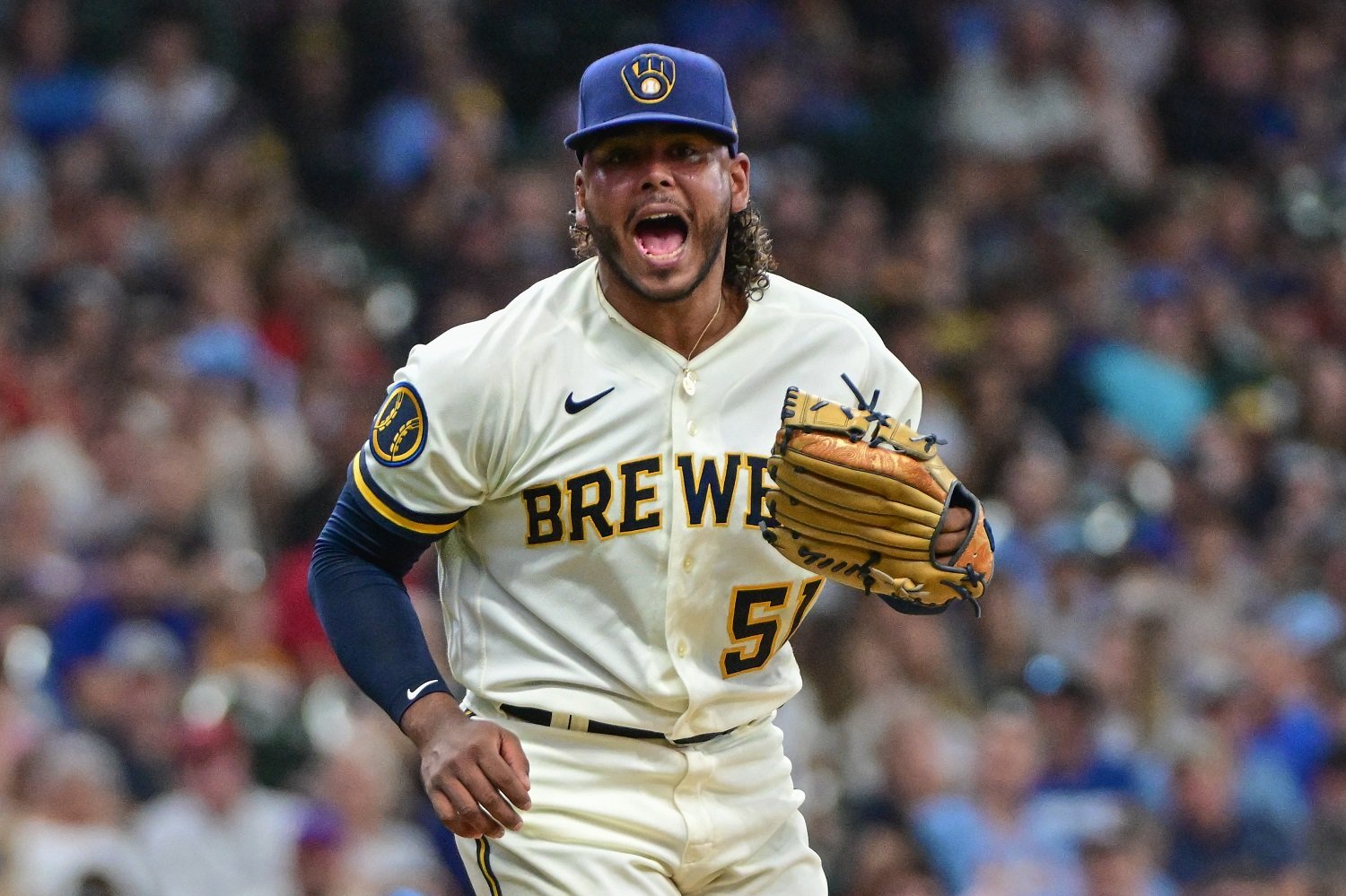
With injuries piling up in the rotation, including setbacks to Edward Cabrera and Ben Brown, it seemed inevitable that Cubs president Jed Hoyer would have to act quickly on the trade market. Chicago was dealing with six starting pitchers on the injured list, creating an urgent need for reinforcements.
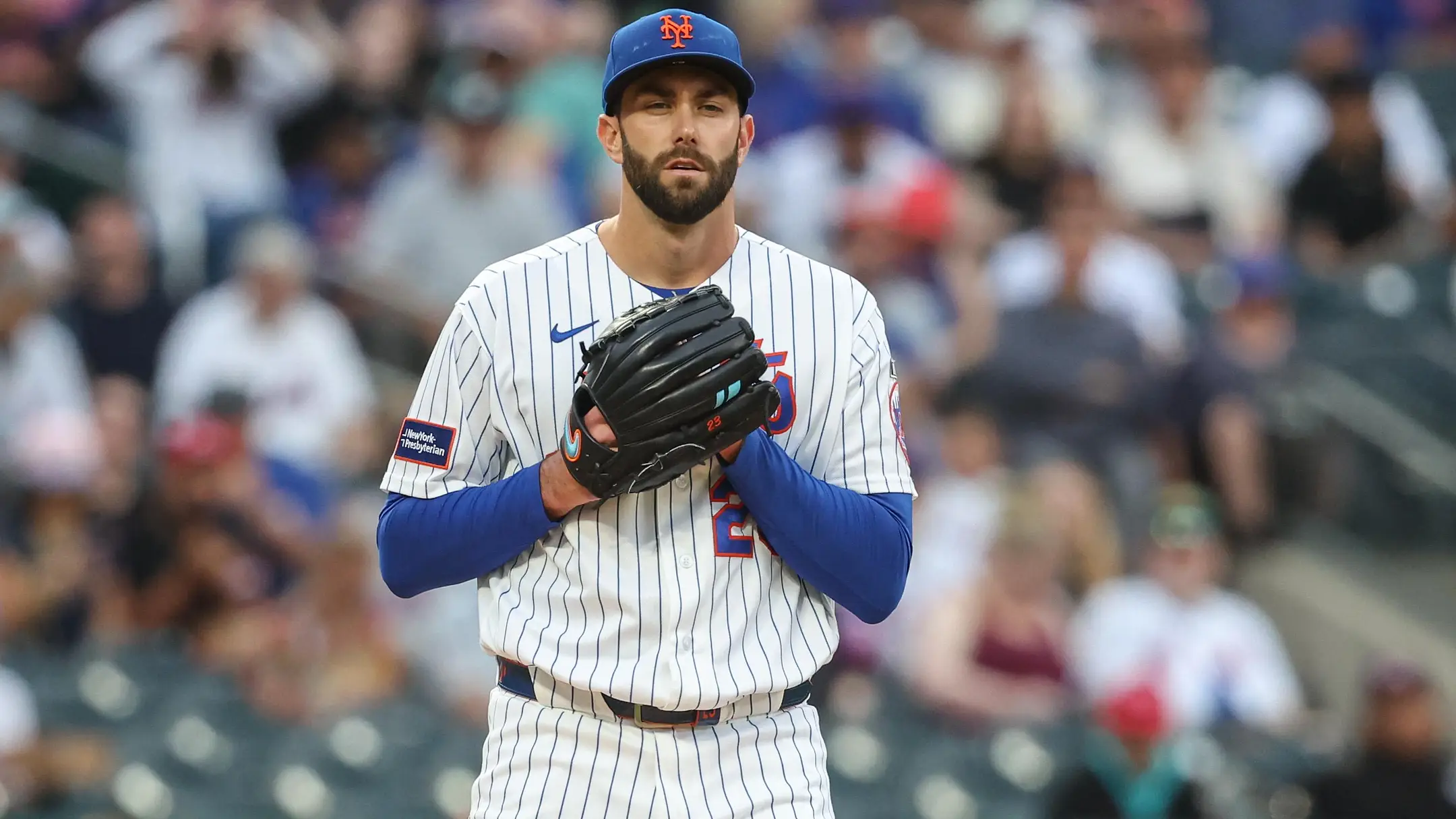
That move came shortly after the Cubs completed a doubleheader sweep of the New York Mets on Wednesday. Chicago acquired left-handed starter David Peterson, a 2025 All-Star, while sending 22-year-old first base prospect Cole Mathis to New York.

Peterson earned All-Star recognition last season thanks largely to an outstanding first half in which he posted a 3.06 ERA over 109 innings. However, his performance declined significantly afterward. He finished 2025 with a 6.34 ERA in the second half and has struggled again this season, recording a 6.09 ERA before eventually losing his spot in the Mets’ rotation.
Some observers may feel the Cubs paid a steep price by parting with Mathis, who was nearing top-10 prospect status within the organization. Given Peterson’s recent numbers, that criticism is understandable. Still, the Cubs’ desperate pitching situation likely increased the cost of acquiring an established major-league starter. When a team is dealing with multiple rotation injuries, finding immediate help rarely comes cheap.
Despite Peterson’s recent struggles, there are reasons to believe a move to Chicago could benefit him. One factor is defense. The Mets have struggled defensively this season, something the Cubs witnessed firsthand during Wednesday’s games when New York committed six errors. Peterson’s 3.85 Fielding Independent Pitching (FIP) suggests his results may not fully reflect how he has actually pitched. With Chicago widely regarded as one of baseball’s stronger defensive teams, there’s hope his ERA could improve in a new environment.
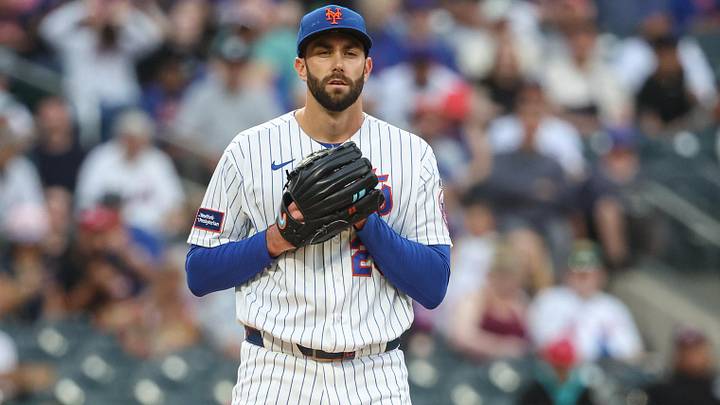
Peterson’s pitching style also fits well with the Cubs’ strengths. He relies heavily on generating ground balls, posting a ground-ball rate above 50 percent in each of the last four seasons. A significant issue this year has been the inability of the Mets’ defense to consistently convert those grounders into outs. Chicago’s infield defense should provide much stronger support, potentially allowing Peterson to get better results from the same approach.
Ultimately, this was the kind of proactive move the Cubs needed to make. While surrendering a promising prospect wasn’t ideal, the team addressed an immediate need and added a pitcher who could perform better in a different setting. Peterson may not be the final answer to Chicago’s pitching concerns, but he could help stabilize the rotation while the front office continues exploring additional moves ahead of the trade deadline.